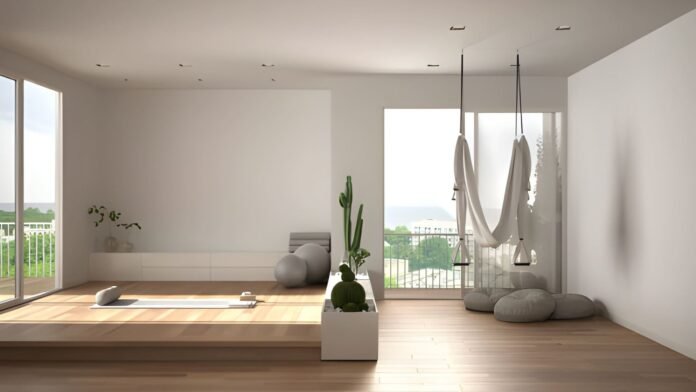
For years, location, square footage, and price dominated property decisions. Today, however, buyers and renters are looking beyond traditional features. Wellness-focused amenities are rapidly becoming one of the strongest drivers of demand in residential and mixed-use developments.
From dedicated fitness spaces and meditation rooms to air purification systems and biophilic design, developers are investing heavily in features that promote healthier lifestyles. Industry analysts believe this shift reflects a broader change in how people define the value of a home.
Health Is Influencing Property Decisions
The way people use their homes has changed significantly over the past decade. More time spent working remotely and a growing awareness of physical and mental wellbeing have increased demand for living spaces that actively support healthier daily routines.
Buyers increasingly prioritize natural light, outdoor spaces, walking paths, fitness facilities, and improved indoor air quality alongside traditional considerations like location and affordability.
Developers say wellness is no longer considered a luxury it’s becoming an expectation.
Developers Are Redesigning Communities
To meet changing consumer preferences, developers are incorporating wellness into both building design and neighborhood planning.
Common features now include:
- Rooftop gardens
- Walking and cycling trails
- Community fitness centers
- Meditation and yoga studios
- Touch-free smart building technology
- Enhanced air filtration systems
These amenities aim to create healthier living environments while increasing long-term property appeal.
Wellness Can Increase Property Value
Properties with wellness-focused amenities often command stronger buyer interest and higher occupancy rates. Real estate professionals report that many homebuyers are willing to pay a premium for developments that contribute to healthier lifestyles.
Investors also view wellness-oriented properties as attractive long-term assets because they align with changing consumer expectations.
Technology Is Supporting Healthier Living
Smart technology is playing an important role in wellness-focused developments. Sensors can monitor indoor air quality, lighting systems adjust automatically throughout the day, and mobile apps allow residents to reserve fitness facilities or monitor energy usage.
These innovations improve convenience while helping residents create healthier living environments.
The Future of Residential Development
Urban planners and developers increasingly believe that future communities will focus as much on resident wellbeing as they do on architecture.
As cities become denser and lifestyles continue evolving, wellness-centered design is expected to become a defining feature of modern real estate.
Homes are no longer simply places to live they are becoming spaces designed to improve quality of life every day.


Leave a Reply