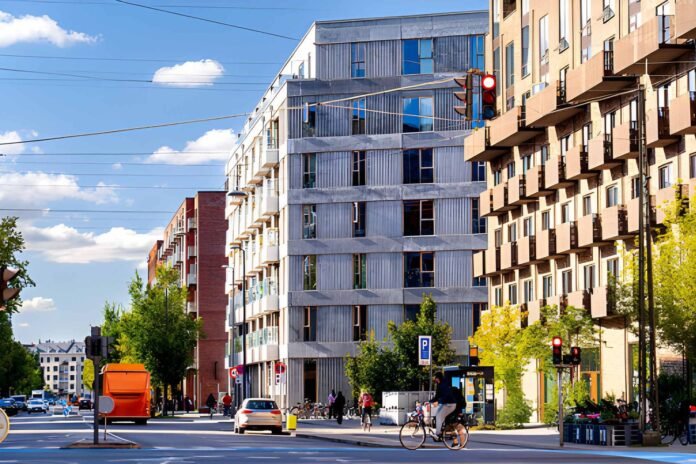
For decades, homebuyers often prioritized larger properties in suburban neighborhoods. Today, however, changing lifestyles, rising transportation costs, and growing environmental awareness are shifting attention toward transit-oriented communities.
These developments are built around public transportation systems, allowing residents to live within walking distance of train stations, metro lines, and major bus routes. Real estate experts believe this model is transforming how cities grow while creating long-term value for homeowners, investors, and developers alike.
As urban populations continue to expand, transit-oriented communities are becoming a key strategy for building more connected and sustainable cities.
What Are Transit-Oriented Communities?
Transit-oriented communities are residential and mixed-use developments designed around easy access to public transportation.
Rather than depending heavily on private vehicles, residents can commute using trains, subways, buses, cycling infrastructure, or pedestrian-friendly streets.
These neighborhoods often combine housing, offices, retail stores, restaurants, parks, and public spaces within a compact area.
The result is a community where daily needs can be met with shorter travel times and greater convenience.
Why Demand Is Increasing
Several trends are driving interest in transit-oriented developments.
Higher fuel prices, increasing traffic congestion, remote work flexibility, and growing environmental concerns have encouraged many buyers to reconsider where they live.
Younger professionals and retirees alike are increasingly seeking neighborhoods that reduce commuting time while offering convenient access to essential services.
Developers are responding by building projects near existing transportation hubs rather than expanding farther into suburban areas.
Investors See Long-Term Potential
Properties located near reliable public transportation often experience stronger demand and higher occupancy rates.
Businesses also benefit from improved accessibility, attracting employees and customers more easily.
For investors, transit-oriented developments may provide greater resilience because they align with long-term urban planning priorities and changing consumer preferences.
Technology Is Supporting Smarter Urban Growth
Modern transit-oriented communities increasingly integrate smart technologies.
Digital mobility apps, intelligent traffic systems, electric vehicle charging stations, and connected public transportation networks help improve convenience for residents.
These technologies also support more efficient city planning and better use of urban infrastructure.
Looking Ahead
As cities continue to grow, transportation and housing will become increasingly interconnected.
Transit-oriented communities offer a practical solution for balancing economic development, environmental sustainability, and quality of life.
Rather than simply building more housing, developers are creating neighborhoods that make everyday living more accessible, efficient, and connected.
The future of real estate may depend not only on where properties are located but also on how easily people can move through the communities around them.


Leave a Reply