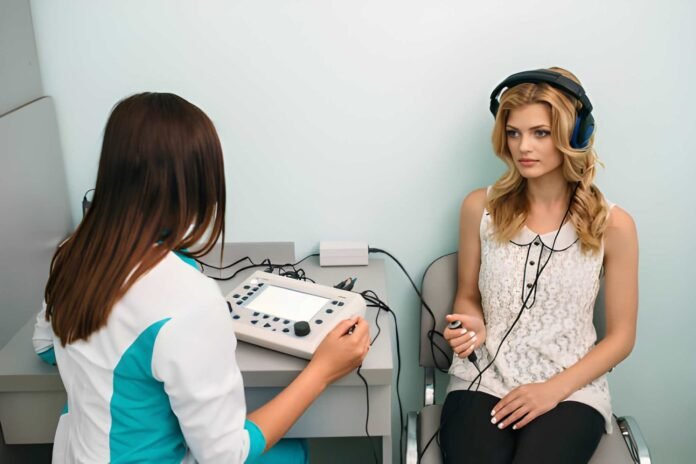
For many years, hearing loss was viewed primarily as an age-related condition affecting older adults. Today, health experts are warning that hearing health is becoming a much broader public health issue, with increasing numbers of younger people also at risk.
Growing exposure to loud environments, prolonged headphone use, urban noise pollution, and an aging global population are contributing to rising concerns about hearing impairment. Researchers now believe that protecting hearing health is not only important for communication but also for long-term cognitive, emotional, and physical wellbeing.
As awareness grows, governments, healthcare providers, and technology companies are placing greater emphasis on prevention, early detection, and accessible hearing care.
Hearing Loss Is More Common Than Many People Realize
Millions of people worldwide live with some degree of hearing loss, yet many cases remain undiagnosed.
Symptoms often develop gradually, making them easy to overlook. Individuals may notice difficulty following conversations, frequently increasing television volume, or struggling to hear in noisy environments.
Because hearing changes can occur slowly over time, experts encourage regular hearing assessments rather than waiting for noticeable impairment.
Why Prevention Matters
Unlike many health conditions, some forms of hearing loss cannot be reversed once significant damage occurs.
Health professionals recommend several preventive measures:
- Keeping headphone volumes at safe levels
- Wearing hearing protection in noisy workplaces
- Limiting prolonged exposure to loud music
- Scheduling routine hearing screenings
- Seeking medical advice when hearing changes occur
These simple habits can significantly reduce the risk of long-term hearing damage.
The Link Between Hearing and Brain Health
Researchers are increasingly studying the connection between hearing health and cognitive function.
Untreated hearing loss may contribute to social isolation, reduced mental stimulation, and greater cognitive strain as the brain works harder to process sounds.
While research continues, many specialists believe early intervention may help support overall cognitive wellbeing and healthy aging.
Technology Is Improving Hearing Care
Advances in medical technology are making hearing care more accessible than ever.
Modern hearing devices are smaller, smarter, and increasingly powered by artificial intelligence to reduce background noise and improve speech clarity.
Digital hearing tests, remote consultations, and smartphone-connected devices are also expanding access to hearing care services.
A Growing Focus on Healthy Aging
As life expectancy continues to rise, healthy aging is becoming a central goal of public health policy.
Maintaining hearing health allows older adults to remain socially connected, physically active, and engaged in everyday life.
Experts increasingly view hearing protection as an essential part of lifelong preventive healthcare rather than a concern only for seniors.
Looking Ahead
The conversation around hearing health is changing rapidly.
Greater awareness, improved screening, and advancing technology are helping shift the focus from treating hearing loss to preventing it whenever possible.
Protecting hearing may seem like a small step today, but it could have lasting benefits for communication, cognitive function, and overall quality of life in the years ahead.


Leave a Reply