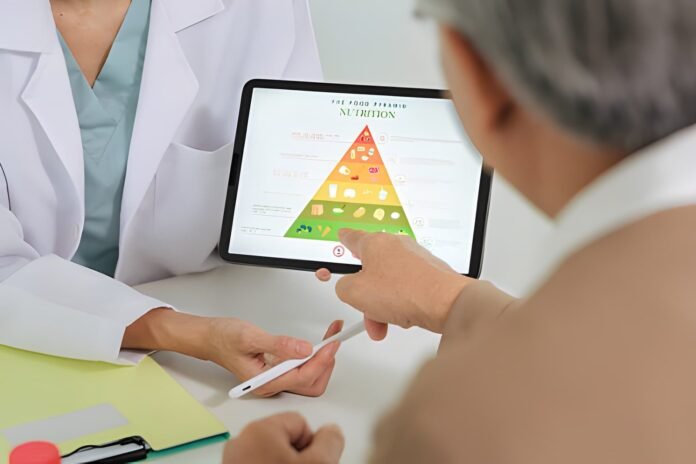
Access to healthcare has improved significantly in many parts of the world, yet millions of people still struggle to understand medical information, prescription instructions, and preventive care recommendations. Health experts believe that this gap is not simply a matter of education it is a growing public health challenge known as health literacy.
Health literacy refers to a person’s ability to find, understand, and use health information to make informed decisions. As healthcare becomes more complex and digital tools become more common, the ability to interpret medical information is becoming just as important as access to healthcare itself.
Public health organizations are increasingly promoting health literacy as a key factor in improving patient outcomes, reducing healthcare costs, and encouraging healthier communities.
What Is Health Literacy?
Health literacy is the ability to understand medical information and apply it in everyday life.
This includes reading prescription labels, understanding a doctor’s instructions, interpreting nutrition information, comparing treatment options, and recognizing when medical care is needed.
People with higher health literacy are often better equipped to manage chronic conditions, follow treatment plans, and make informed lifestyle choices.
Rather than relying solely on healthcare professionals, individuals become active participants in managing their own health.
Why It Matters More Than Ever
Modern healthcare is changing rapidly.
Patients now have access to online health resources, wearable devices, telemedicine services, and digital health records. While these innovations improve access to care, they also require people to interpret large amounts of information accurately.
Without strong health literacy, individuals may misunderstand medical advice, delay treatment, or struggle to navigate healthcare systems.
Improving health literacy helps people make more confident and informed healthcare decisions.
Technology Is Changing Patient Education
Digital health platforms are making medical information more accessible than ever before.
Hospitals, clinics, and healthcare providers are using mobile apps, patient portals, educational videos, and artificial intelligence to explain complex health information in simpler ways.
Interactive tools and personalized health recommendations are helping patients better understand their conditions and treatment options.
Technology is becoming an important partner in improving communication between healthcare providers and patients.
A Shared Responsibility
Improving health literacy is not only the responsibility of individuals.
Healthcare providers, schools, employers, governments, and technology companies all play important roles in making health information easier to understand.
Using plain language, clear visuals, and culturally appropriate communication can significantly improve patient understanding and engagement.
Better communication benefits both healthcare systems and the people they serve.
Looking Ahead
As healthcare continues to evolve, understanding medical information will become increasingly important.
Health literacy empowers people to make informed decisions, participate actively in their care, and adopt healthier lifestyles.
In the future, improving public health may depend not only on medical breakthroughs but also on ensuring that people have the knowledge and confidence to use them effectively.
Health literacy is no longer simply an educational issue it is becoming one of the foundations of better healthcare.


Leave a Reply