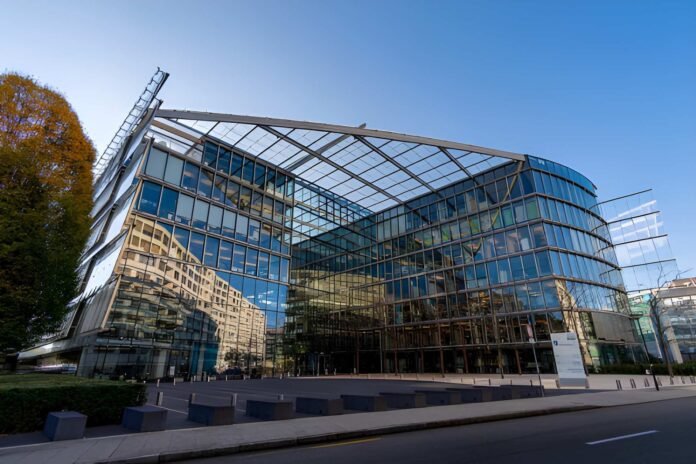
For decades, commercial real estate discussions centered on office towers, shopping centers, and apartment buildings. Today, however, a specialized property segment is attracting increasing attention from investors, developers, and governments: life sciences real estate.
The rapid growth of biotechnology, pharmaceutical research, healthcare innovation, and medical technology has created strong demand for purpose-built laboratories, research campuses, and innovation hubs. Unlike traditional office buildings, these facilities require specialized infrastructure to support scientific research and advanced manufacturing.
As healthcare innovation accelerates worldwide, life sciences real estate is becoming one of the fastest-growing sectors in commercial property.
What Is Life Sciences Real Estate?
Life sciences real estate refers to properties specifically designed for biotechnology companies, pharmaceutical firms, medical device manufacturers, research institutions, and scientific laboratories.
These buildings often include advanced ventilation systems, clean rooms, specialized laboratory space, high-capacity utilities, and strict environmental controls that cannot be found in conventional office buildings.
Because of these unique requirements, life sciences facilities require significant planning and long-term investment.
Why Demand Is Increasing
Several global trends are driving demand for life sciences properties.
Growing investment in biotechnology, expanding pharmaceutical research, aging populations, and increased healthcare innovation have encouraged governments and private companies to build new research facilities.
Universities and medical centers are also partnering with private developers to create innovation districts where researchers, startups, investors, and healthcare organizations work together.
These ecosystems support faster collaboration and scientific discovery.
Innovation Districts Are Transforming Cities
Many cities are developing life sciences clusters that bring together research institutions, hospitals, universities, and technology companies within a single area.
These districts create environments where businesses can share knowledge, attract highly skilled talent, and accelerate product development.
The result is stronger local economies, increased commercial activity, and greater demand for specialized real estate.
Developers increasingly view these innovation districts as long-term investment opportunities.
Investors See Long-Term Potential
Life sciences properties are often leased through long-term agreements by organizations that invest heavily in specialized facilities.
This can create relatively stable occupancy compared with some traditional commercial property sectors.
Although development costs are higher, investors see opportunities as demand for research space continues growing across healthcare and biotechnology industries.
The sector’s expansion reflects broader trends in innovation and scientific investment.
Looking Ahead
Healthcare innovation is expected to remain a global priority for years to come.
As biotechnology, medical research, and pharmaceutical development continue expanding, demand for specialized research facilities is likely to grow alongside them.
Life sciences real estate is evolving beyond a niche investment category into a strategic component of modern commercial property markets.
The cities that successfully support research and innovation may become tomorrow’s leading real estate destinations.


Leave a Reply