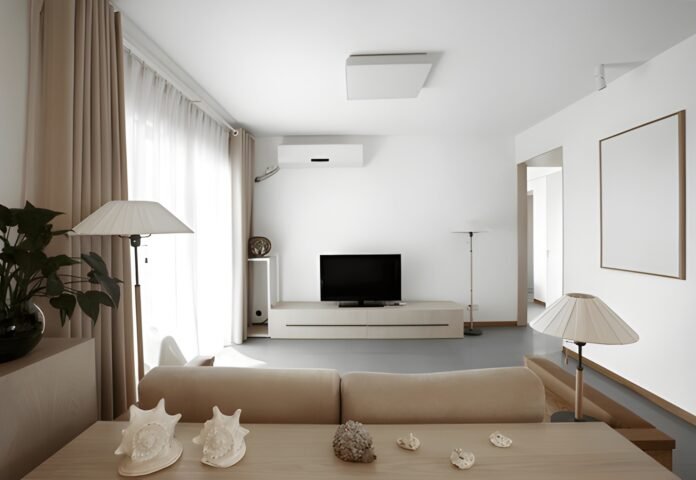
Minimalist living is more than a clean aesthetic it’s a mindset of intentional simplicity. People are learning that happiness comes from experiences, not possessions. By cutting down on clutter and focusing on essentials, they regain both time and peace of mind.
The Shift Toward Simplicity
In a world filled with constant noise and consumption, minimalist living is gaining serious traction. But this isn’t simply about owning fewer things. It’s a deeper shift in how people think about space, time and fulfillment.
Financial and Mental Benefits
By reducing consumption, people often free up mental space and financial resources. Less debt, less stress, fewer distractions. Minimalist households frequently find themselves more flexible and content.
Sustainability in Action
Minimalist living intersects with environmental awareness. Fewer purchases mean less waste, less resource use and often more conscious decisions about what remains in one’s life. People embracing this lifestyle often become advocates of a slower, more meaningful pace.
Making Minimalism Work for You
Adopting minimalist living doesn’t mean erasing joy or forbidding fun it means choosing what matters. It could mean fewer but higher quality items, more time for people and experiences, or designing your home around your lifestyle rather than trends.
Minimalist living
Minimalist living is far more than a passing aesthetic. It’s a deliberate choice about how we live, what we value, and how we engage with the world. For many, it becomes a pathway to clarity, freedom and deeper satisfaction.
Minimalism also helps reduce financial strain, promotes sustainability, and creates a sense of balance that today’s fast-paced world often lacks. The fewer distractions we allow, the more we can focus on what truly adds value relationships, growth, and clarity of purpose.

Leave a Reply