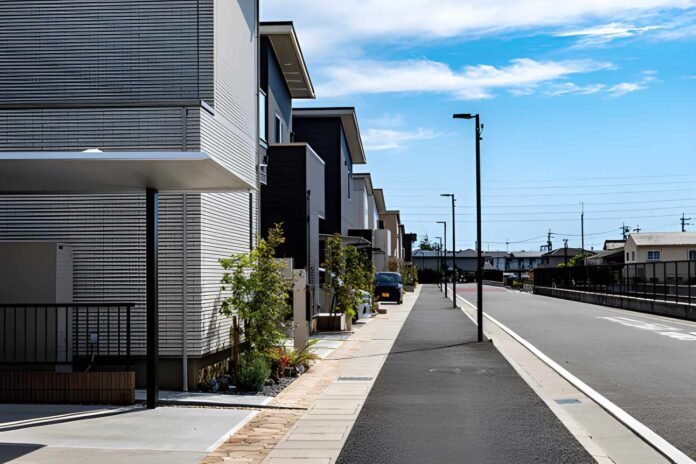
As urban lifestyles evolve, a new trend is reshaping homebuying priorities: walkability. Real estate developers, investors, and city planners are seeing a sharp increase in demand for walkable neighborhoods areas where residents can reach grocery stores, cafés, fitness centers, schools, parks, and transit hubs without relying on a car.
Why Walkability Matters More Than Ever
Rising fuel costs, increasing environmental awareness, and the desire for healthier lifestyles have made walkability a top priority for modern buyers. Younger generations prefer homes that integrate convenience, community, and sustainability and walkable neighborhoods provide exactly that.
Premium Pricing for Walkable Areas
According to market analysts, properties in highly walkable neighborhoods often command 10–25% higher prices than similar homes in car-dependent locations. Renters are equally motivated, with walkable communities filling up faster and offering higher long-term occupancy.
Health & Lifestyle Benefits Drive Demand
Walkable living encourages daily movement, reduces stress, and supports a more engaging social environment. With an increase in remote work, people are spending more time near home making neighborhood quality more valuable than ever.
Developers Are Rethinking Community Design
Real estate developers are now shifting from traditional suburban models to mixed-use, pedestrian-centric layouts that combine:
- Residential apartments
- Retail shops
- Healthcare clinics
- Public parks
- Co-working spaces
These modern communities offer convenience and vibrant local culture, attracting both young professionals and families.
Cities Investing in Pedestrian Infrastructure
Governments are also investing in wider sidewalks, bike lanes, car-free zones, and improved night lighting to support walkability. These investments not only boost real estate values but also enhance local business activity.
The Future of Walkability
As climate-conscious and convenience-seeking lifestyles grow, walkable neighborhoods are expected to become one of the most valuable real estate assets of the next decade. For investors, developers, landlords, and homebuyers, walkable areas offer strong appreciation potential and high demand.


Leave a Reply