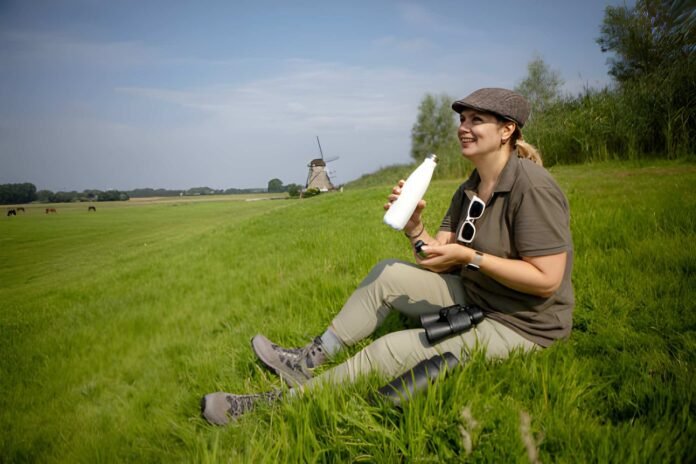
A Cultural Shift Away From Hustle Culture
After years of glorifying speed, productivity, and constant busyness, many people are embracing a radically different approach: slow living.
The trend has surged globally as individuals seek more meaningful routines, better mental health, and a lifestyle grounded in presence rather than pressure.
Slow living encourages prioritizing:
- Depth over speed
- Quality over quantity
- Rest over urgency
- Purpose over productivity
The shift reflects widespread burnout, especially among younger generations navigating economic uncertainty and unstable work patterns.
The Psychological Benefits of Slowing Down
Studies now show that intentionally slowing the pace of daily life leads to:
- Lower stress levels
- Improved emotional regulation
- Better sleep quality
- Enhanced decision-making
- Reduced symptoms of anxiety
A slower lifestyle gives the brain time to recover and process information instead of functioning in constant “fight-or-flight” mode.
What Slow Living Looks Like in Daily Life
People are adopting slow living through small but meaningful habits:
- Preparing meals at home
- Spending more time outdoors
- Journaling or meditating
- Choosing fewer but more meaningful commitments
- Reducing multitasking
- Creating intentional morning or evening routines
The approach is especially popular among remote workers seeking more structure and balance at home.
Its Influence on Consumer Trends
Brands across fashion, travel, and home goods now market products aligned with slow living values natural materials, sustainability, intentional design, and longevity.
Travel platforms report rising interest in “slow travel,” where tourists stay longer in fewer places to enjoy deeper cultural experiences.
Home design trends are also shifting toward warm minimalism, plants, neutral textures, and calming spaces.
Will Slow Living Become Mainstream?
Experts believe slow living may be more than a trend it’s becoming a cultural correction to the pressures of modern life.
As more people prioritize wellbeing, connection, and clarity, the slow-living lifestyle may become the foundation of a healthier global culture.


Leave a Reply