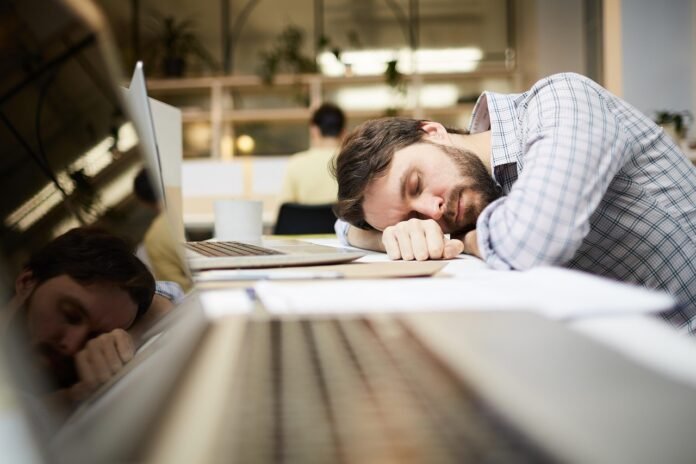
The Silent Epidemic of Poor Sleep
Sleep deprivation has become one of the world’s most widespread health issues. Experts warn that chronic lack of sleep now affects productivity, emotional stability, and overall physiological health on a global scale.
The modern lifestyle late-night screen time, stress, gig-economy work hours is pushing sleep to the bottom of people’s priority lists.
The Health Consequences Are More Serious Than People Realize
Sleep shortages are linked to:
- Memory decline
- Increased anxiety and depression
- Hormonal imbalance
- Weight gain
- Weakened immune system
- Higher risk of heart disease
The body simply cannot repair itself without deep sleep.
Why Businesses Are Paying Attention
Sleep deprivation may be costing the global economy hundreds of billions in lost productivity. Companies increasingly report:
- More employee burnout
- Higher error rates
- Poor decision-making
- Reduced workplace creativity
As a result, corporations are exploring sleep-friendly wellness programs and flexible schedules.
Technology Is Helping and Hurting
Wearables, smart sleep apps, and AI-driven monitoring tools are helping people track their sleep cycles.
But blue-light exposure and late-night scrolling remain major contributors to sleep disruption.
The Path to a Healthier Sleep Culture
Public-health leaders and wellness experts suggest:
- Strict digital cut-off times
- Better work-life boundaries
- Improved sleep education in schools
- Corporate wellness incentives
Improving global sleep patterns could significantly reduce disease and increase workforce performance. For more preventive health insights, explore our coverage of global lifestyle risk factors affecting public health.


Leave a Reply