The shift from treatment to prevention
Governments and health organizations around the world are investing more in preventive healthcare than ever before. Instead of waiting for illnesses to develop, health systems are emphasizing early detection, routine screenings, and lifestyle-based care. This shift aims to reduce long-term healthcare costs, improve public wellness, and decrease the burden on hospitals.
Technology is accelerating early detection
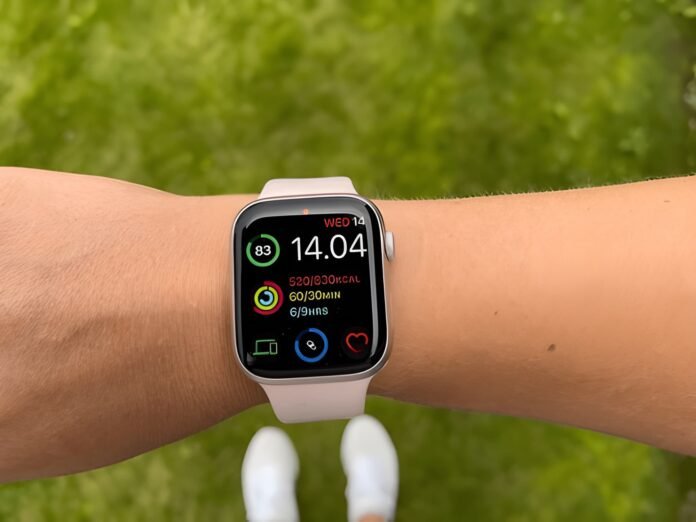
Wearable devices, smart health apps, and remote monitoring tools have made prevention more accessible. People can now track blood pressure, heart rate, sleep cycles, and stress levels in real time. These digital tools encourage proactive health habits and help doctors identify risks much earlier.
The economic case for prevention
Preventive care is not just good for health it’s good for national budgets. Countries with strong screening programs reported lower hospitalization rates and reduced spending on chronic diseases. Employers also benefit, as healthier workers mean fewer sick days and higher productivity.
Why lifestyle changes matter most
Diet, exercise, and stress management continue to be the foundation of preventive care. More individuals are turning to balanced nutrition, daily movement, and mental wellness routines to avoid long-term conditions like diabetes, heart disease, and obesity.
A future built on long-term wellness
Preventive healthcare is expected to become the backbone of health systems globally. By empowering individuals and integrating digital tools, the next decade will prioritize staying healthy not just getting treated.


Leave a Reply