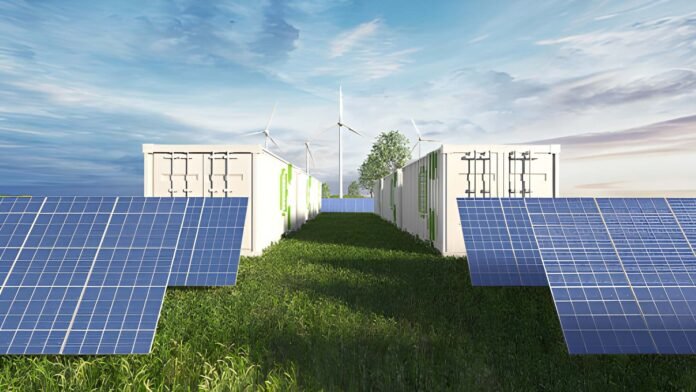
As countries accelerate their transition toward clean energy, a new economic pressure has entered the global stage: Green Inflation. The term refers to rising prices driven by the shift from fossil-fuel-based systems to sustainable alternatives. While governments and industries push for net-zero goals, the economic ripple effects are becoming increasingly visible across energy markets, supply chains, and household expenses.
What Is Green Inflation?
Green inflation occurs when climate policies, renewable energy investments, and carbon-reduction strategies unintentionally push prices upward. This happens for multiple reasons:
- Higher costs of raw materials like lithium, copper, and nickel
- Increased demand for renewable infrastructure
- Regulatory pressure on high-emission industries
- Supply shortages of green-tech components
As a result, businesses from manufacturing to transportation face elevated production expenses that ultimately pass on to consumers.
Why Is It Rising Faster
Economists predict intensified green inflation due to:
- Global carbon pricing tightening
More countries are adopting carbon taxes and emission-trading systems, raising the operating costs of traditional industries. - Surging demand for EV batteries
Electric vehicle adoption is growing rapidly, yet supply chains for rare minerals remain constrained. - Mass renewable energy projects
Wind, solar, and hydrogen infrastructure require heavy upfront investments that drive short-term inflation. - Climate-driven disruptions
Extreme weather events continue affecting agriculture, logistics, and global trade routes.
Industries Most Impacted
Several key sectors are experiencing substantial pressure:
- Manufacturing – High prices for metals and green-tech inputs raise production costs.
- Energy & Utilities – Older fossil-fuel plants face penalties, while renewables still require expensive transitions.
- Transportation – Fuel regulations and electric fleet conversions impact shipping, aviation, and public transit fares.
- Agriculture – Climate-smart farming technologies and water-saving systems push operational expenses upward.
How Countries Are Responding
Governments are adopting mixed strategies to keep inflation under control while still pushing green goals:
- Subsidies for renewable energy and EV buyers
- Incentives for local mineral processing
- Investments in resilient supply chains
- Public-private partnerships for decarbonization
Some nations are even adjusting timelines to prevent economic shocks, ensuring that sustainability does not hamper growth.
What It Means for Businesses and Consumers
For businesses, the shift is both a challenge and an opportunity. Companies investing early in clean energy, automation, and climate-resilient supply chains are likely to benefit long-term.
For consumers, short-term price increases are likely to continue but many experts believe green inflation will stabilize as technologies become cheaper and more efficient.
Structural shift
Green inflation is not just an economic trend it’s a structural shift. While prices may rise in the short run, the global transition toward sustainability is expected to create a more stable and secure economic future.


Leave a Reply