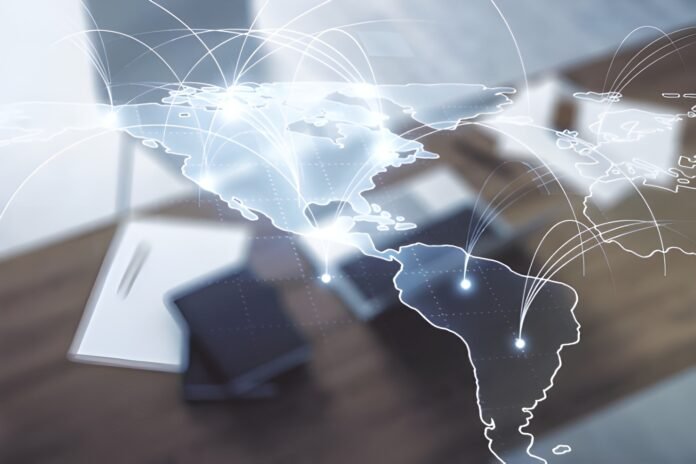
The global economy is evolving faster than at any point in modern history. Driven by technology, shifting trade alliances, and changing consumer expectations, nations and businesses are rethinking how they operate and compete.
This transformation isn’t just about economic data it’s about a complete redefinition of how value is created. From advanced manufacturing to digital currencies, every sector is being reshaped by innovation and interconnectedness.
Emerging Markets Reshaping the Balance of Power
For decades, global economic power was concentrated in a few industrialized nations. Today, that landscape looks very different. Emerging markets in Asia, Africa, and Latin America are taking the lead in innovation, production, and entrepreneurship.
These economies are fueled by young populations, expanding digital infrastructure, and increasing access to global capital. Countries like India, Indonesia, and Vietnam are building diverse industries that go beyond low-cost manufacturing focusing on technology, renewable energy, and education.
This shift is creating a more multi-polar global economy, where opportunities are distributed across regions instead of centralized in a handful of developed countries.
Global Trade: From Efficiency to Resilience
Trade has always been the backbone of the global economy. But after years of disruptions from supply chain crises to geopolitical conflicts businesses have learned an important lesson: efficiency alone isn’t enough.
Today, companies are redesigning supply chains with resilience in mind. Instead of relying on one region or supplier, they’re building flexible networks that can adapt to shocks.
Regional trade agreements, local production hubs, and digital logistics platforms are helping companies maintain continuity even in uncertain times.
As a result, the global trade system is becoming more transparent, diversified, and digitally connected than ever before.
Technology: The Engine of Economic Growth
Technology sits at the heart of every major economic transformation. Artificial intelligence, automation, and blockchain are not just tools they’re economic catalysts.
AI is enabling companies to predict demand, optimize production, and personalize consumer experiences. Blockchain is revolutionizing financial transactions by ensuring speed, trust, and security. Automation, meanwhile, is improving efficiency across manufacturing, logistics, and healthcare.
For developing economies, technology offers a way to leapfrog traditional stages of development, creating entirely new business models that depend on data, connectivity, and innovation rather than heavy infrastructure.
Digital Finance and the Rise of Inclusive Economies
Financial systems are adapting rapidly to digital realities. From mobile banking apps to digital currencies, access to finance has never been broader.
In many parts of Africa, for example, mobile banking has revolutionized small business finance, allowing entrepreneurs to receive payments, build credit, and expand all from their phones.
Similarly, blockchain-based payment systems are transforming global trade by reducing transaction costs and removing middlemen.
This democratization of finance is giving rise to more inclusive economies, where individuals and small businesses can participate in global commerce without traditional barriers.
Sustainability and Shared Prosperity
Economic progress is no longer measured only in profits or GDP growth it’s increasingly tied to sustainability and equality.
As climate change reshapes global priorities, countries are investing in renewable energy, green infrastructure, and circular economies. Businesses are adopting ESG (Environmental, Social, Governance) standards to align profitability with responsibility.
This global shift signals that the future of growth lies in sustainability, where innovation, policy, and ethical business practices work together to ensure long-term prosperity for both people and the planet.
Collaboration Over Competition
In the new global order, cooperation has become just as valuable as competition. The world’s biggest challenges from inflation to resource scarcity cannot be solved in isolation.
Economic partnerships, shared technology, and transparent trade policies are becoming essential tools for growth. Countries that embrace collaboration and inclusivity are more likely to thrive in this interconnected economy.


Leave a Reply