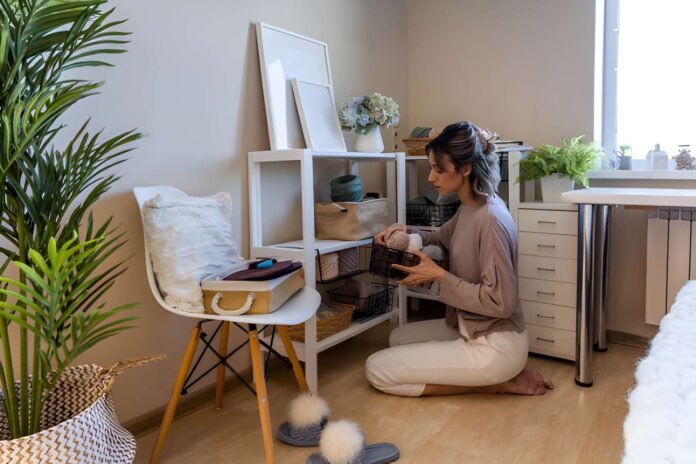
Modern life can make it surprisingly easy to accumulate more than we actually need. Clothes fill wardrobes, unused items occupy storage spaces, and digital devices constantly add new information and distractions.
A minimalist lifestyle offers a different approach: owning and doing less so you can focus more on what genuinely matters.
Minimalism does not necessarily mean living in an empty home or giving away nearly everything you own. Instead, it is about becoming more intentional about possessions, spending, commitments, and everyday choices.
What Is a Minimalist Lifestyle?
Minimalism is a lifestyle centered on simplicity and intentionality.
Rather than measuring success by how much someone owns, minimalism encourages people to consider whether their possessions and habits actually add value to their lives.
For one person, that might mean having a smaller wardrobe. For another, it could mean reducing unnecessary purchases, simplifying their home, or spending less time on digital distractions.
There is no single formula for minimalist living.
The goal is not to own the fewest things possible. It is to make room for the things that matter most.
Less Clutter Can Create More Comfortable Spaces
One of the most noticeable benefits of minimalism is a simpler living environment.
When unnecessary possessions accumulate, everyday spaces can become difficult to manage. Reducing items can make rooms easier to clean, organize, and use.
A minimalist approach can therefore begin with something as simple as asking whether an item is useful, meaningful, or regularly used.
Minimalism Can Reduce Unnecessary Spending
A minimalist lifestyle can also influence shopping habits.
When people become more aware of what they already own, they may be less likely to purchase duplicates or items they will rarely use.
Instead of automatically buying something because it is on sale or trending, minimalist thinking encourages a different question:
“Do I actually need this?”
This doesn’t mean avoiding spending altogether. It means becoming more intentional about where money goes.
Over time, thoughtful purchasing can potentially reduce impulse buying and leave more room in a budget for experiences, savings, or important goals.
Fewer Possessions Can Save Time
Every possession requires some level of maintenance.
Clothes need washing and organizing. Appliances need storage. Decorative items need cleaning. Large collections require space and attention.
Having fewer unnecessary possessions can simplify these responsibilities.
A smaller wardrobe, for example, can make getting dressed easier. A less cluttered kitchen can make cooking and cleaning more straightforward.
The benefit isn’t simply having fewer things. It is having fewer things demanding your attention.
Minimalism Can Simplify Everyday Decisions
Modern life already involves countless decisions.
What should you buy? What should you wear? What should you keep? What should you organize?
An overly crowded environment can add even more small decisions to the day.
A simpler lifestyle can reduce some of this mental noise.
With fewer clothes, possessions, and unnecessary commitments, everyday choices can become more straightforward.
This does not mean minimalism eliminates stress. Instead, it can remove some avoidable sources of complexity.
It Can Encourage More Intentional Consumption
Minimalism also changes the way people think about consumption.
Instead of constantly replacing items or following every new trend, people can become more selective about what enters their homes.
This can encourage buying products for their usefulness and durability rather than simply because they are new.
A minimalist approach can therefore shift the question from “What can I buy?” to “What is actually worth bringing into my life?”
Minimalism Can Make Room for Experiences
Possessions are only one way people spend their money, time, and attention.
When unnecessary shopping and maintenance take up less space in life, people may have more opportunities to focus on experiences such as traveling, spending time with family, pursuing hobbies, or learning new skills.
Minimalism Can Extend Beyond Physical Possessions
Minimalism doesn’t have to stop at your closet or kitchen.
People can also simplify their digital lives.
Old files, unused applications, excessive notifications, endless emails, and unnecessary subscriptions can create a form of digital clutter.
A minimalist approach could therefore include periodically reviewing apps, files, subscriptions, notifications, and social media accounts.
How to Start Living More Minimally
You don’t need to transform your entire home overnight.
Start with one small category.
Look through a drawer, a collection of clothes, old cosmetics, unused kitchen items, or digital subscriptions.
Ask yourself:
- Do I use this?
- Does it serve a purpose?
- Would I buy it again today?
- Do I have duplicates?
- Does keeping it make my life easier or harder?
Starting small makes the process more manageable.

Leave a Reply