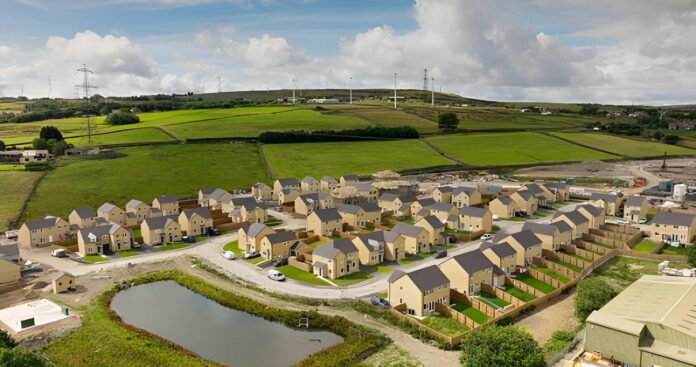
Cities are changing rapidly as populations grow, infrastructure expands, and governments rethink how urban areas should function. New transportation networks, housing projects, commercial districts, public spaces, and redevelopment initiatives are changing not only the appearance of cities but also the value and demand for surrounding properties.
Urban development can create new investment opportunities while also changing where people want to live, work, and do business. For homeowners, investors, developers, and local governments, understanding these changes has become increasingly important.
Why Urban Development Matters to Real Estate
Real estate values are closely connected to what surrounds a property.
When a neighborhood gains better roads, public transportation, schools, parks, retail centers, or employment opportunities, it can become more attractive to residents and businesses. Increased demand can then influence property prices and rental activity.
However, development does not affect every neighborhood in the same way. Poorly planned projects can create congestion, increase costs, or put pressure on existing communities.
Transportation Can Change Property Demand
New transportation infrastructure is one of the strongest forces shaping urban property markets.
Rail stations, expanded roads, bus networks, and pedestrian-friendly infrastructure can make previously less accessible areas more attractive. Properties located near convenient transportation may benefit from increased demand as commuting becomes easier.
Developers are increasingly paying attention to transportation plans when evaluating potential development sites.
New Neighborhoods Create New Opportunities
Urban expansion can turn previously underdeveloped areas into new residential and commercial districts.
Large-scale housing projects, shopping areas, offices, schools, and public facilities can create complete communities where people can live, work, and access essential services.
As these areas develop, surrounding land may become more valuable and attract additional investment.
Redevelopment Can Revive Older Areas
Urban development is not always about building entirely new communities.
Redevelopment can transform aging commercial districts, vacant industrial sites, and underused properties into productive spaces. Renovated buildings, new businesses, public spaces, and improved infrastructure can help attract residents and investors.
For property owners, neighborhood revitalization can create opportunities while also changing competition within the local market.
The Role of Public Investment
Government investment can have a major influence on real estate markets.
New schools, parks, transit systems, utilities, and public facilities can make neighborhoods more attractive and support long-term development.
At the same time, large projects require careful planning to ensure that growth benefits existing communities and does not create excessive pressure on housing affordability.
How Urban Development Affects Investors
For investors, understanding future development can be just as important as studying current property conditions.
Planned infrastructure improvements, new employment centers, and population growth may signal changing demand. However, investors also need to consider development timelines, local regulations, construction costs, and potential oversupply.
Successful investment therefore requires looking beyond today’s property market and considering how an area may evolve over time.
Looking Ahead
Urban development will continue to reshape property markets as cities respond to population growth, changing lifestyles, infrastructure needs, and economic opportunities.
The neighborhoods that attract investment may not always be the ones with the highest property values today. In many cases, future infrastructure and development plans can influence where the next wave of demand emerges.
For real estate professionals and investors, understanding how cities evolve can provide valuable insight into the future direction of property markets.

Leave a Reply