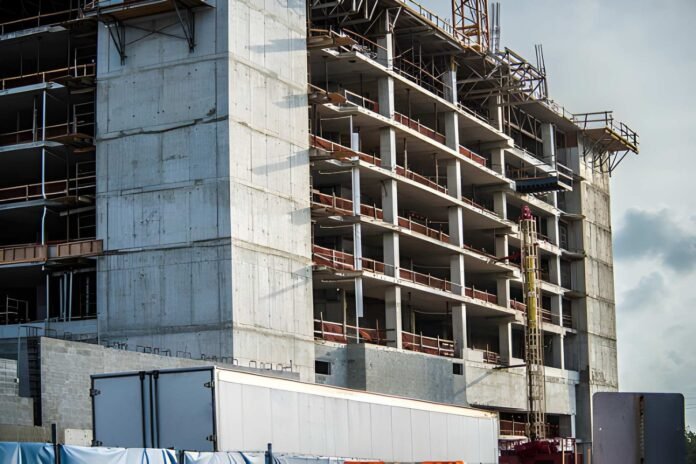
For decades, office buildings symbolized economic growth and business success. However, changing workplace habits, hybrid work models, and shifting tenant demands have left many older office properties with higher vacancy rates than ever before.
Rather than allowing these buildings to remain underused, cities and developers are increasingly turning to conversion projects. Offices are being transformed into apartments, hotels, student housing, medical facilities, and mixed-use developments that better reflect modern urban needs.
As commercial real estate evolves, office conversions are becoming an important strategy for revitalizing city centers while addressing changing housing and business demands.
What Are Office Conversion Projects?
Office conversion projects involve repurposing existing commercial buildings for entirely new uses instead of demolishing them.
Depending on local market demand, former office spaces may become residential apartments, senior living communities, hotels, educational facilities, or healthcare centers.
By reusing existing structures, developers can often reduce construction waste while making better use of valuable urban real estate.
These projects also preserve architectural character that might otherwise be lost through redevelopment.
Why Cities Are Supporting Conversions
Many city governments are encouraging office conversions through updated zoning regulations, tax incentives, and streamlined approval processes.
Local officials see these projects as an opportunity to increase housing supply, attract new residents, and bring more activity back into downtown districts.
Converting vacant office buildings can also help support nearby restaurants, retailers, and public transportation systems by increasing foot traffic.
Rather than leaving older properties empty, cities are adapting them to meet today’s economic realities.
Developers Are Finding New Investment Opportunities
Although office conversions present engineering and design challenges, they are creating attractive opportunities for developers and investors.
In many markets, converting an existing structure can be more cost-effective than building a completely new property.
Developers are also responding to growing demand for centrally located housing and flexible mixed-use environments.
As market conditions evolve, adaptive investment strategies are becoming increasingly important across the commercial real estate sector.
Sustainability Is Driving Redevelopment
Repurposing existing buildings can significantly reduce demolition waste and lower the environmental impact associated with new construction.
Many conversion projects also incorporate energy-efficient systems, smart building technologies, and environmentally responsible materials during renovation.
This approach supports broader sustainability goals while extending the useful life of valuable urban assets.
Developers increasingly view adaptive redevelopment as both an environmental and financial opportunity.
Looking Ahead
Cities continue to evolve alongside changing work patterns, population growth, and economic priorities.
Office conversion projects demonstrate how existing buildings can be adapted to meet new demands rather than becoming obsolete.
As urban centers seek more flexible and sustainable development strategies, converting aging office buildings may become one of the defining trends in modern real estate.
The future of cities may depend not only on what is built next but also on how existing spaces are reimagined.

Leave a Reply