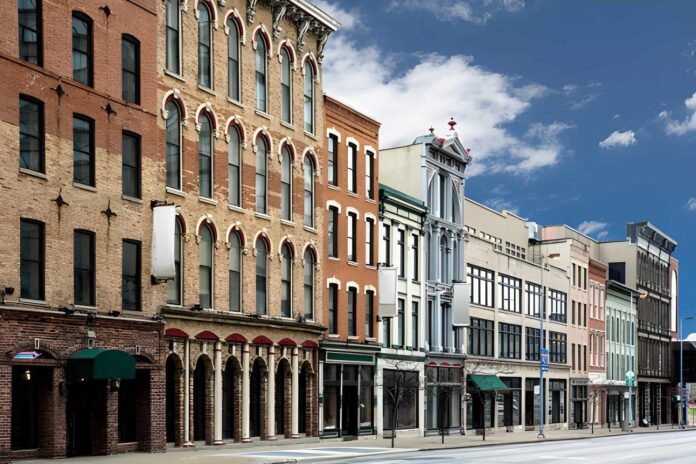
For decades, newer construction was considered gold standard of real estate value. But that assumption is quietly being challenged. Across major cities, aging buildings are gaining renewed attention from investors, developers, and city planners.
Instead of tearing down older structures, the market is increasingly focused on upgrading, retrofitting, and repositioning them for modern demand.
A Shift From Demolition to Transformation
Rising construction costs, zoning restrictions, and sustainability pressures have made new development more complex and expensive. As a result, investors are turning to existing buildings as strategic assets rather than liabilities.
Older properties often occupy prime locations central business districts, transit corridors, and historic neighborhoods locations that new developments struggle to access.
Smart Retrofits Are Changing the Equation
Modern upgrades are redefining the value of aging buildings. These include:
- Energy-efficient systems
- Smart access controls
- Modern HVAC retrofits
- Digital property management tools
- Flexible interior layouts
With the right investments, decades-old buildings can meet or exceed modern performance standards.
Why Investors Are Paying Attention
From an investment perspective, retrofitting offers a compelling advantage. Acquisition costs are often lower than new construction, while upgraded rents can approach market averages for newer properties.
In some cities, incentives and tax credits further boost returns for redevelopment projects that preserve existing structures.
Urban Demand Favors Character and Location
Tenants and buyers are showing renewed interest in buildings with architectural character, unique layouts, and neighborhood integration. Older buildings often deliver authenticity that modern developments struggle to replicate.
This trend is particularly strong among creative firms, boutique retailers, and residential renters seeking individuality over uniformity.
Risks Still Require Careful Planning
While the opportunity is growing, retrofitting is not risk-free. Structural issues, compliance challenges, and unpredictable renovation costs require thorough due diligence.
Successful projects depend on strong feasibility studies, realistic timelines, and experienced redevelopment teams.
What This Means for the Future of Real Estate
As cities grow denser and sustainability becomes non-negotiable, adaptive reuse may become a dominant strategy. Aging buildings are no longer obstacles they are platforms for the next phase of urban real estate growth.
The future of property development may depend less on what is built new and more on how well the old is reinvented.

Leave a Reply