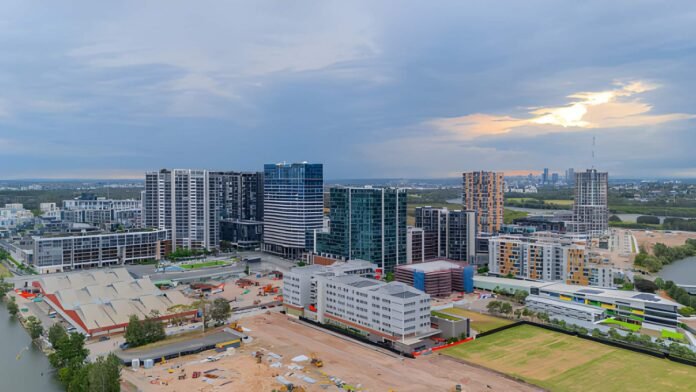
For decades, global real estate investment has concentrated heavily on megacities like New York, London, and Hong Kong. But a quiet shift is underway. Investors, developers, and homebuyers are increasingly turning their attention to secondary cities urban centers once considered peripheral, now emerging as major growth engines.
Driven by housing affordability pressures, remote work, and infrastructure expansion, these cities are rapidly redefining the global property landscape.
What Defines a Secondary City?
Secondary cities are typically mid-sized urban areas with strong regional influence but lower density and costs than global capitals. Examples include Austin, Manchester, Lisbon, Pune, and Medellín.
These cities often offer:
- Growing job markets
- Expanding transport networks
- Younger demographics
- Untapped real estate potential
What they lack in global branding, they increasingly make up for in livability and long-term value.
Affordability Is Driving the Shift
Rising property prices in top-tier cities have pushed both residents and investors outward. Secondary cities provide:
- Lower entry prices
- Higher rental yield potential
- Reduced regulatory friction
- Better price-to-income ratios
For first-time buyers and institutional investors alike, these markets offer room for growth rather than saturation.
Remote Work Is Rewriting Location Value
The rise of hybrid and remote work has weakened the traditional link between employment hubs and housing demand. Professionals are now choosing cities based on quality of life rather than proximity to corporate headquarters.
Secondary cities benefit from:
- Less congestion
- Lower living costs
- Strong digital infrastructure
- Lifestyle-driven migration
This has translated directly into rising housing demand and accelerating development.
Infrastructure and Policy Are Catching Up
Governments are actively investing in secondary cities to relieve pressure on megacities. Transport links, smart-city initiatives, and tax incentives are attracting private capital and developers.
As infrastructure improves, property values often rise ahead of full market maturity creating early-mover advantages for investors.
What This Means for the Future of Real Estate
Shift toward secondary cities signals a broader decentralization of real estate value. Instead of a few global hotspots, growth is becoming more distributed.
For investors and buyers, the next decade may be defined not by where everyone already is but by where people are moving next.
Secondary cities are no longer alternatives. They are becoming the new frontiers of global real estate growth.


Leave a Reply