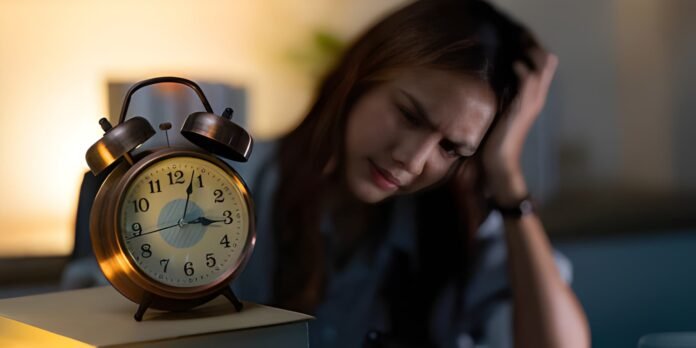
You’ve heard of jet lag from flying but millions now experience a similar disruption every single week without stepping onto a plane. This growing phenomenon, known as social jet lag, is becoming one of the most overlooked health challenges.
What Exactly Is Social Jet Lag?
Social jet lag is measured by the difference between your weekend and weekday sleep timings.
Example:
- Weekdays: asleep by 11 p.m., wake up at 7 a.m.
- Weekends: asleep at 2 a.m., wake up at 10 a.m.
That 3-hour shift mimics flying across time zones and your body feels it.
The result is a constant internal “reset,” and over time, your hormones, metabolism, and cognitive functions struggle to adapt.
Why Social Jet Lag Is Rising
There are several reasons this issue is worsening worldwide:
- Flexible Work, Inflexible Bodies – Hybrid work schedules allow people to shift sleeping patterns but the body’s circadian rhythm needs consistency, not freedom.
- Late-Night Digital Engagement – Streaming, gaming, and social media usage peak between 11 p.m. and 2 a.m., keeping brains alert when they should be slowing down.
- Urban Lifestyle Pressures – Late-night work culture, long commutes, and weekend social demands make sleep aligned with biology almost impossible.
- Increased Burnout Levels – People compensate for weekday fatigue by oversleeping on weekends, creating extreme schedule swings.
Health Risks Linked to Social Jet Lag
Researchers now connect chronic social jet lag to multiple long-term problems:
- Higher risk of metabolic disorders – Irregular sleep disrupts insulin sensitivity and appetite hormones, contributing to weight gain.
- Mood instability & anxiety – Circadian misalignment affects neurotransmitters linked to emotional regulation.
- Decline in cognitive performance – Memory, reaction time, and decision-making suffer when sleep rhythm is unstable.
- Increased cardiovascular strain – Studies show individuals with severe social jet lag face higher blood pressure and inflammation markers.
- Disrupted gut health – An imbalanced sleep–wake cycle negatively influences the microbiome and digestion.
Who Is Most Affected
- College students
- Hybrid/remote workers
- Night owls with weekday obligations
- Shift workers
- People heavily engaged in late-night entertainment
The issue is especially prevalent in urban populations where sleep is often sacrificed to maintain productivity.
How to Reduce Social Jet Lag – Without Quitting Your Lifestyle
- Shift Wake-Up Times Gradually – Instead of a 3-hour weekend sleep-in, limit the difference to 1–1.5 hours.
- Use Light Exposure Strategically – Morning sunlight reinforces the biological daytime alert phase.
- Create a Digital Cut-Off Window – Stop screen usage 60–90 minutes before sleeping.
- Keep Consistent Meal Times – Even if sleep varies, steady eating patterns stabilize your internal clock.
- Prioritize Sleep on Weekdays – Going to bed earlier ensures you won’t need to “catch up” on weekends.
Why This Matters for Long-Term Health
Social jet lag may seem harmless, but health experts warn it can compound over years, increasing risks of chronic illness, exhaustion, and cognitive decline. Addressing it early can improve productivity, emotional stability, and overall well-being.
It’s not just about how long you sleep it’s about when you sleep.

Leave a Reply