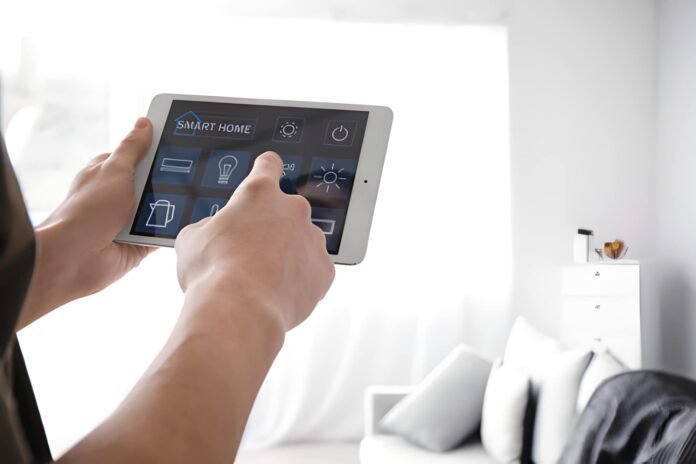
When Homes Become “Smart” Assets
Smart homes, homes equipped with interconnected devices, automation, energy management, and IoT systems are no longer niche luxury. As technology becomes more affordable and people grow more conscious of convenience, security, and sustainability, smart homes are increasingly influencing property values. What used to be “nice-to-have upgrades” are now becoming asset value multipliers in modern real-estate markets.
What Makes a Smart Home Today
Smart homes today typically include a combination of:
- Smart lighting and climate control (thermostats, automated lighting)
- Digital security and access (smart locks, cameras, alarm integration)
- Home automation (voice control, integrated appliances)
- Energy management (solar panels, energy-efficient systems, smart meters)
- Connectivity and remote monitoring (smart sensors, apps, remote control)
These features not only offer convenience they also represent long-term efficiency, safety, and modern living standards.
How Smart Features Influence Property Value
- Premium Pricing Potential Homes with verified smart-home installations often command higher asking prices or better resale value. Buyers are willing to pay a premium for “ready smart” homes especially younger, tech-savvy buyers or dual-income families valuing convenience.
- Lower Operating Costs, Greater Sustainability Smart energy management and automation reduce utility bills, waste, and carbon footprint. For many buyers, the promise of long-term savings and sustainable living is a strong selling point.
- Appeal to a Broader Market From tech professionals to elderly buyers (who value security and automated assistive features), smart homes attract a diverse group, expanding the potential buyer pool beyond traditional demographics.
Challenges & Considerations
- Technology obsolescence: As smart devices evolve fast, older systems may become outdated risk for buyers who expect long-term compatibility.
- Security & privacy concerns: Internet-connected systems can be vulnerable to cyber-attacks; buyers must ensure secure networks and trusted systems.
- Cost barrier for some buyers: Upfront cost for full smart installation remains high; not all buyers can afford or want the extra cost.
- Dependence on infrastructure: Reliable electricity and internet connectivity are essential; in areas with unstable infrastructure, smart homes may be less attractive.
Homes Are Evolving Into Connected Assets
Smart home technology is fundamentally changing what people expect from properties. No longer just bricks and mortar, modern homes are becoming integrated ecosystems combining comfort, efficiency, security, and connectivity. As adoption grows, smart features will increasingly define property value, buyer demand, and the future of real estate markets worldwide.


Leave a Reply