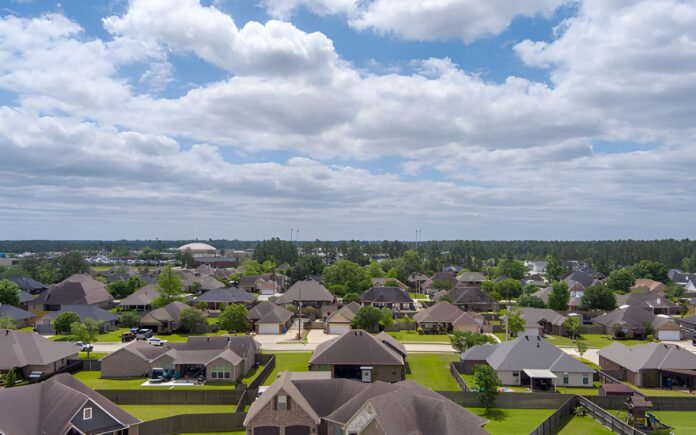
A New Geography of Demand
The rapid shift toward remote work has triggered a profound change in real-estate demand. As millions trade daily commutes for work-from-home setups, properties once considered “far from the city” are now gaining renewed interest. Suburban towns, small cities, and even rural locales are seeing a wave of new buyers. Renters altering long-established patterns of urban housing dominance.
Why the Shift is Happening
- Workplace flexibility: With companies offering hybrid or fully remote models, employees no longer need to live close to central business districts. This flexibility opens up a broader geographic range for homebuyers.
- Value for money: Suburban and rural homes often offer larger living spaces, gardens or yards, and lower per-square-foot costs than urban apartments an appealing tradeoff for people now working from home.
- Quality of life: Reduced commuting, access to green or quieter neighborhoods. Room for home-office setups are driving demand from families, freelancers, and long-term remote workers.
Real-Estate Market Impact: Suburbs & Small Cities Surge
- Rising prices and demand: In many suburbs and satellite towns, real-estate agents report double-digit increases in inquiries and sales. Properties that once lingered on the market now frequently sell quickly, often above asking price.
- Increased rental demand: Rental markets in these areas are also heating up, as remote-working professionals both domestic and international seek flexible living situations outside dense metros.
- Urban exodus but selectively: Not all urban residents are leaving; many remain drawn to city amenities, nightlife, and convenience. But a noticeable and steady portion is opting for suburban or rural life, especially those prioritizing space, affordability, and work-life balance.
Challenges & Risks in the Suburban Surge
- Infrastructure strain: Issues like traffic congestion, water supply, internet bandwidth, and public services can emerge as demand rises.
- Zoning & regulation pressure: Local governments may struggle to adapt zoning rules, building codes, and urban planning to accommodate rapid growth leading to mismatched development or housing shortages.
- Social and community shifts: Long-time locals might feel displaced; cultural and demographic shifts can cause friction if not managed carefully.
A Changing Real-Estate Paradigm
Remote work is not just a temporary adaptation it’s reshaping the real-estate landscape. For buyers, renters, investors, and developers, this represents both a challenge and an opportunity: a chance to rethink location value, invest in underappreciated markets, and build the next generation of homes tailored for the remote economy.


Leave a Reply