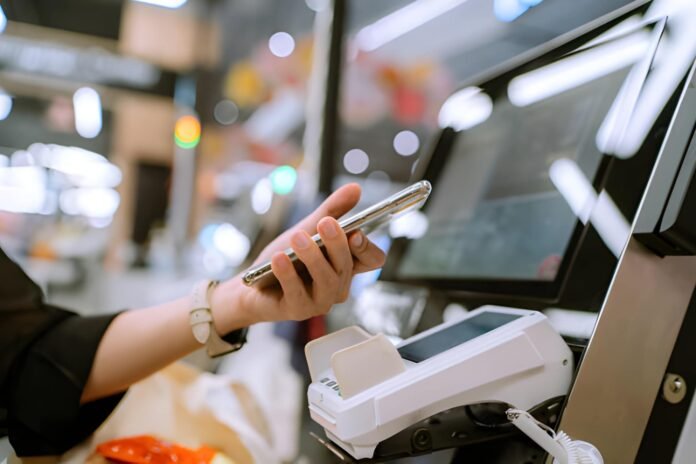
A New Era of Retail Innovation
The global retail sector is undergoing one of its biggest transformations in decades the rapid rise of autonomous retail. As traditional stores battle staffing shortages, rising operating costs, and changing consumer expectations, major brands are exploring fully automated, sensor-powered retail environments.
Autonomous retail is no longer experimental. It is becoming a mainstream strategy, promising faster checkout, reduced labor dependency, and seamless digital-physical shopping experiences. Modern autonomous stores rely heavily on edge computing technology to process huge amounts of data in real time and enable instant checkout experiences.
How Autonomous Retail Works
Modern autonomous stores use a combination of:
- Computer vision
- Smart shelf sensors
- RFID-enabled tracking
- AI-powered customer analytics
- Virtual checkout systems
Instead of waiting in checkout lines, customers scan in, shop freely, and walk out as the system automatically charges their digital wallets.
This shift is already being tested by global supermarkets, airports, convenience stores, and small urban retail hubs.
Why Retailers Are Investing Heavily
Retail giants are accelerating autonomous rollouts due to:
1. Rising Labor and Operational Costs
Automation enables stores to operate with minimal staff, supporting 24/7 availability.
2. Demand for Frictionless Shopping
Customers favor speed and convenience over traditional checkout experiences.
3. Increased Data Insights
AI systems track products, foot traffic, and buying habits helping retailers optimize inventory, pricing, and store layouts.
Impact on Jobs and the Retail Workforce
While automation reduces the need for cashiers, it is creating new roles in:
- Tech maintenance
- Store data analysis
- Customer experience management
- Inventory automation teams
Retailers are shifting employees toward high-skilled, tech-centric duties rather than eliminating jobs entirely.
The Future: Smart, Staff-Augmented Retail Ecosystems
Industry experts predict the rise of hybrid stores where:
- AI manages product tracking
- Robots handle shelf restocking
- Cashiers evolve into digital customer support roles
- Personalized offers appear instantly via mobile apps
Autonomous retail isn’t replacing human participation it’s redefining it.


Leave a Reply