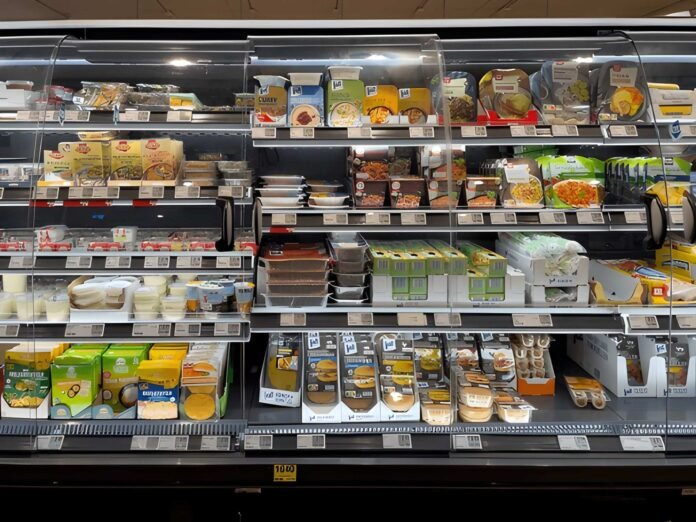
Ultra-processed foods are now linked to obesity, heart disease, mental health issues, and early mortality.
A Growing Warning From Health Experts
Around the world, researchers are raising alarms about the rapid rise in ultra-processed food consumption. From snacks to ready-to-eat meals, these factory-engineered products now make up more than half of the average person’s diet in some countries.
This shift is reshaping global health trends, contributing to higher rates of obesity, inflammation, heart disease, and mental-health challenges.
What Makes Ultra-Processed Foods So Harmful?
Ultra-processed foods aren’t just calorie-dense they’re chemically modified. Many contain:
- Additives and emulsifiers
- Artificial flavors
- High sugar and sodium
- Industrial seed oils
- Synthetic stabilizers
Studies show these ingredients can disrupt gut health, increase cravings, and alter metabolic function.
The Economic Impact: Cheap Food, Costly Outcomes
Governments worldwide are facing rising healthcare costs due to diet-related illnesses. You can also read our report on why preventative healthcare is becoming a global priority. As food prices fluctuate, many families choose cheaper packaged meals, unaware of long-term health consequences.
Consumer Behavior Is Beginning to Shift
Despite the risks, consumers are slowly moving toward:
- Clean-label foods
- Fresh produce
- Low-processed snacks
- Plant-based, whole-food alternatives
Major food companies are now reformulating products to appear healthier though experts warn labels can be misleading.
The Road Ahead: Education and Policy
Public-health leaders argue that taxes, warning labels, and school-food reforms may be necessary to shift global diets away from heavy processing.
Ultra-processed foods may be convenient but the long-term cost to human health is becoming impossible to ignore.
Related read: How sleep deprivation and modern lifestyles are quietly harming overall health.


Leave a Reply