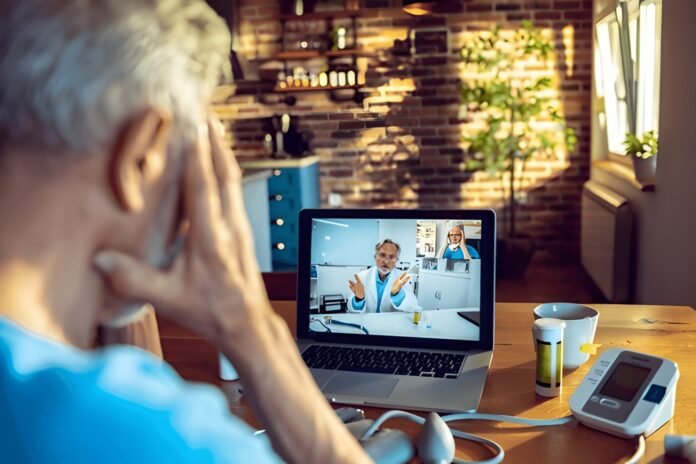
The new frontier of health delivery
Patient care is going through a transformation and digital health is at its heart. Remote monitoring, telemedicine, AI diagnostics, and mobile apps are reshaping how care is delivered, who can access it and how outcomes are measured. This isn’t just innovation it’s a fundamental shift in health services.
Telemedicine and remote care: breaking distance barriers
Especially during times of crisis, remote care has proven its value. Today it continues to expand, enabling rural and underserved communities to access specialists, diagnostics and treatment plans without travelling long distances. For many regions, this means faster, more efficient, and often life-saving interventions.
AI, wearables and predictive health
Wearable devices and AI systems are turning health data into actionable insights. From monitoring heart rhythms to detecting early signs of cognitive decline, these technologies empower patients and providers alike. The result: care becomes more predictive, personalised and preventive rather than purely reactive.
Integration, privacy and reform: what’s next?
Yet the digital health revolution comes with its challenges. Data security, infrastructure readiness, regulatory frameworks, and equitable access all need attention. Health systems that balance innovation with oversight are the ones building trust and lasting impact.
Revolution
Digital health is not a future scenario it’s happening now. For patients, providers and societies, the result is more accessible, efficient, and personalized care. The question is no longer if the revolution will happen it’s how quickly.


Leave a Reply