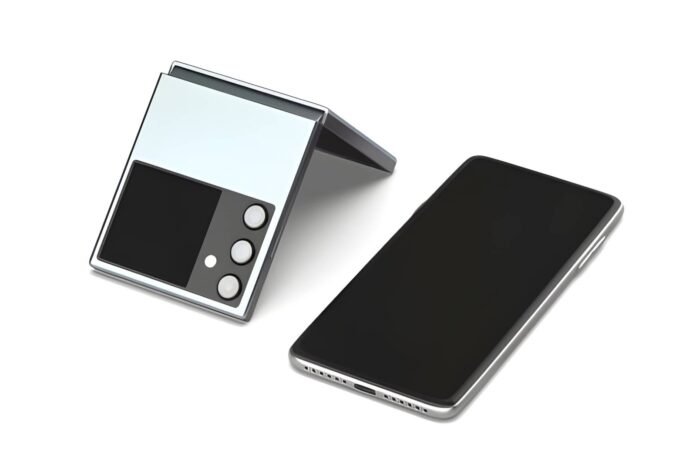
Smartphones have changed considerably since they first became popular. What began as a way to make calls, send messages, and check emails has developed into a powerful tool for photography, entertainment, navigation, shopping, work, and communication.
Today, manufacturers are looking beyond faster processors and larger screens. They are exploring new designs, more capable software, improved cameras, better battery technology, and features that help phones respond more intelligently to users.
As these developments continue, smartphones are becoming more versatile, although questions about cost, privacy, and practical usefulness remain important.
Artificial Intelligence Is Changing Smartphone Features
Artificial intelligence is becoming an increasingly important part of smartphone development. Modern devices can use AI-powered tools to improve photographs, summarize information, assist with writing, translate languages, and make voice interactions more useful.
Some smartphones can also perform selected AI tasks directly on the device rather than sending every request to an online service. This can help reduce delays and may offer privacy advantages, depending on how a particular feature handles personal information.
However, AI capabilities vary between devices. Some functions require an internet connection, while others depend on newer processors, supported software, or a paid service.
The next stage of smartphone development will likely depend not simply on how many AI features a phone includes, but on whether those features genuinely save time and make everyday tasks easier.
Foldable Displays Are Creating New Possibilities
Traditional smartphones use a fixed rectangular screen, but foldable devices offer another approach.
A foldable phone can open into a larger display for reading, watching videos, editing documents, or using multiple applications at once. Other designs fold into a more compact shape, making a large-screen device easier to carry.
These designs could be useful for people who frequently switch between communication, entertainment, and productivity tasks.
Nevertheless, foldable smartphones still involve trade-offs. Buyers need to consider price, durability, thickness, repair costs, and how well applications work on changing screen sizes. A larger display is not automatically better for every user.
As manufacturers refine hinges, displays, and software, foldable devices may become more practical for people who want a phone that can also serve as a small workspace.
Smartphone Cameras Continue to Improve
Photography has become one of the most important features people consider when choosing a smartphone.
Modern camera systems combine improved sensors, multiple lenses, image processing, and software that helps users capture photographs in different lighting conditions. Some devices can also enhance portraits, stabilize video, or offer more control over zoom.
Computational photography plays a major role in these improvements. A phone can combine information from multiple exposures or use software processing to create an image that looks clearer and more balanced than a single camera capture might produce.
AI-based editing tools are also making it easier to remove unwanted objects, adjust images, and improve photographs without professional editing skills.
However, camera quality cannot be judged by megapixel counts alone. Sensor size, lens quality, processing, low-light performance, and the photographer’s technique all influence the final result.
Battery Technology and Charging Are Getting More Attention
Battery life remains a major consideration for smartphone users. A powerful phone becomes less convenient if it needs frequent charging during the day.
Manufacturers are working on battery designs, more efficient processors, and software improvements that can help devices use energy more effectively. Some newer battery approaches also aim to increase capacity without making phones significantly thicker or heavier.
Charging technology is developing as well. Depending on the model, users may find faster wired charging, wireless charging, or software features designed to protect battery health.
Still, advertised battery performance does not always match real-world use. Screen brightness, gaming, mobile data, camera use, and background applications can all affect how long a phone lasts between charges.
For consumers, the most useful improvement is not necessarily the fastest charging speed. It is a reliable device that lasts through a normal day and maintains acceptable battery performance over time.
Privacy and Security Are Becoming Essential
As smartphones hold more personal information, protecting that information has become increasingly important.
Phones can contain private messages, photographs, financial applications, location records, work documents, and account credentials. Losing access to a device or allowing someone to access its data can therefore create serious problems.
Manufacturers have introduced features such as fingerprint recognition, facial authentication, encrypted storage, security updates, and tools for controlling application permissions. The protection available varies by device, operating system, and software version.
Users also have an important role to play. Installing updates, using strong screen locks, avoiding suspicious links, reviewing app permissions, and downloading applications from trusted sources can reduce some common risks.
Understanding cybersecurity is increasingly important as people use smartphones to manage sensitive accounts and personal information.
What Smartphone Evolution Means for Consumers
Continuous innovation can make phones more capable, but it can also make purchasing decisions more complicated.
A newer model may offer a better camera, improved performance, a different design, or additional AI tools. However, not every upgrade will make a noticeable difference to every user.
Someone who mainly uses messaging, calls, and basic applications may not need a premium device. A photographer, frequent traveler, or professional who works from a phone may value different features.
Before upgrading, consumers should consider battery condition, software support, storage needs, repairability, security updates, and the cost of replacing accessories.
Keeping a phone for longer can also reduce unnecessary spending and electronic waste, provided the device remains safe, functional, and suitable for the user’s needs.


Leave a Reply